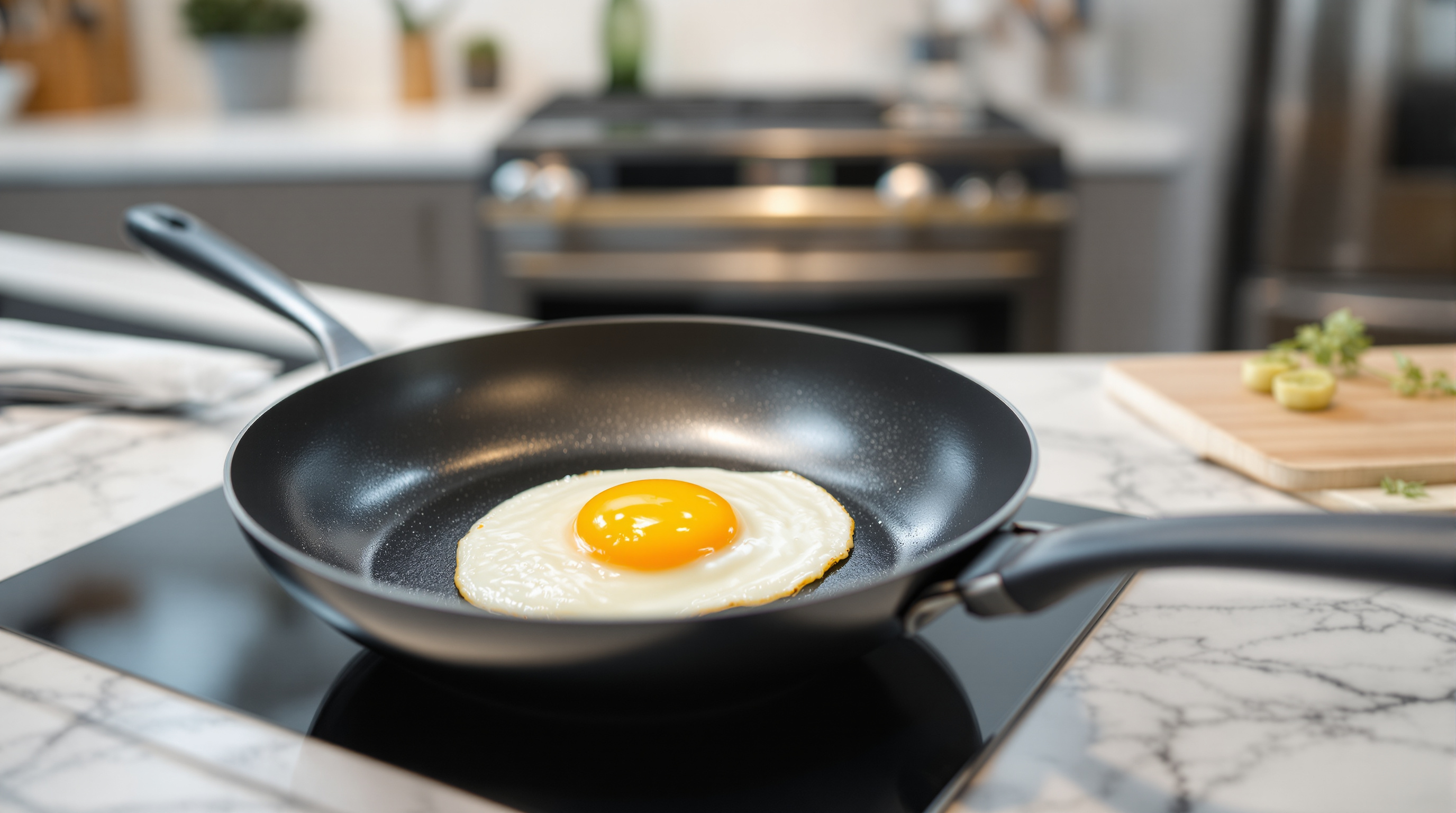
Non-stick pans are essential for everyday cooking — eggs, pancakes and delicate fish are so much easier when nothing sticks. But some cooks prefer to avoid the best-known non-stick coating, PTFE (often called by the trade name Teflon). The good news: there is a wide range of effective PTFE-free alternatives.
What PTFE and PFOA Actually Are
PTFE is the slippery synthetic polymer used on classic non-stick pans. PFOA was a processing chemical historically used to make it; it has been phased out of cookware manufacturing, and reputable modern non-stick is made without it. PTFE itself is considered stable at normal cooking temperatures, but it can begin to break down if a pan is badly overheated empty. For authoritative, up-to-date information on these substances in food-contact materials, the U.S. Food & Drug Administration is a good reference. Many people simply prefer a PTFE-free kitchen for peace of mind — which is where the alternatives come in.
It helps to know where these compounds sit in the bigger picture. PTFE and PFOA both belong to a large family of synthetic chemicals known as PFAS — per- and polyfluoroalkyl substances — used across industry for their heat resistance and their ability to repel water and grease. The family is the subject of continuing regulatory attention because some of its members persist in the environment and in the body; the US Environmental Protection Agency maintains the current regulatory picture, and the National Institute of Environmental Health Sciences summarises the research on PFAS in plain language. Two distinctions are worth holding on to when you read about this. First, PTFE as a finished cookware coating is a large, stable polymer and behaves very differently from the small, mobile compounds that drive most of the environmental concern. Second, PFOA has not been used in cookware manufacture for years, so a modern pan is not a PFOA pan whatever a marketing sticker implies. Where a genuine kitchen risk does exist it is thermal: an empty non-stick pan left on a high burner can climb past the point where any coating starts to degrade, which is why the care rules below matter more than the choice of coating.
The Best PTFE-Free Alternatives
- Ceramic (sol-gel) coatings — the most common PTFE-free non-stick. Excellent release when new and free of PTFE and PFOA, though the coating tends to wear faster than PTFE. See our ceramic non-stick guide.
- Well-seasoned cast iron — develops a natural non-stick patina, lasts for generations, and adds no coating at all.
- Carbon steel — seasons like cast iron but lighter and faster to heat; a professional favourite.
- Hard-anodized aluminium — a hardened, durable surface that is naturally more release-friendly.
- Porcelain enamel — a glass coating over metal; heavier but non-reactive and long-lasting.
How to Make Any Non-Stick Last
Whatever the coating, the same habits protect it:
- Cook on low to medium heat — non-stick surfaces do not like high, dry heat.
- Use wooden or silicone utensils, never metal.
- Hand-wash and avoid abrasive scourers; let the pan cool before washing.
- Never heat an empty non-stick pan for long, and never use it under a grill or broiler unless it is rated for it.
Knowing When to Retire a Pan
No coating lasts forever, and a worn one stops doing its job long before it looks dramatic. Replace a coated pan when eggs start gripping even in oil, when the surface is visibly scratched, flaking or chipped, or when the base has warped so it rocks on the hob and heats unevenly. Discoloured patches that will not wash off are another sign the coating is thinning. Seasoned cast iron and carbon steel are the exception — a dull or patchy surface there is not the end, just a prompt to strip it back and season it again.
Seasoning Cast Iron and Carbon Steel
Two of the best PTFE-free options make their own non-stick surface through seasoning — thin layers of oil baked onto the metal until they polymerise into a slick, durable patina. To season, coat the clean pan with a very thin film of neutral high-smoke-point oil, wipe off the excess, and heat it past the oil's smoke point (in the oven or on the hob) until it stops smoking; repeat a few times. After each use, wash gently, dry thoroughly on the heat, and add a light wipe of oil. Done consistently, this gives you a naturally non-stick pan that improves with age and can last for generations — no coating to wear out.
Choosing by Cooking Style
The right PTFE-free pan depends on how you cook. If you fry eggs and pancakes daily and want effortless cleanup, a ceramic pan is the natural pick. If you want one pan for life and do not mind a little upkeep, season a cast-iron or carbon-steel pan. If durability with low fuss is your priority, a diamond-reinforced or hard-anodized pan splits the difference.
When a Little Stick Is Fine
For searing steak or building a flavourful fond for a sauce, you actually want a stainless or cast-iron pan. Keep non-stick for the jobs it excels at and use the right material elsewhere — our pots and pans guide explains how to build a balanced set.