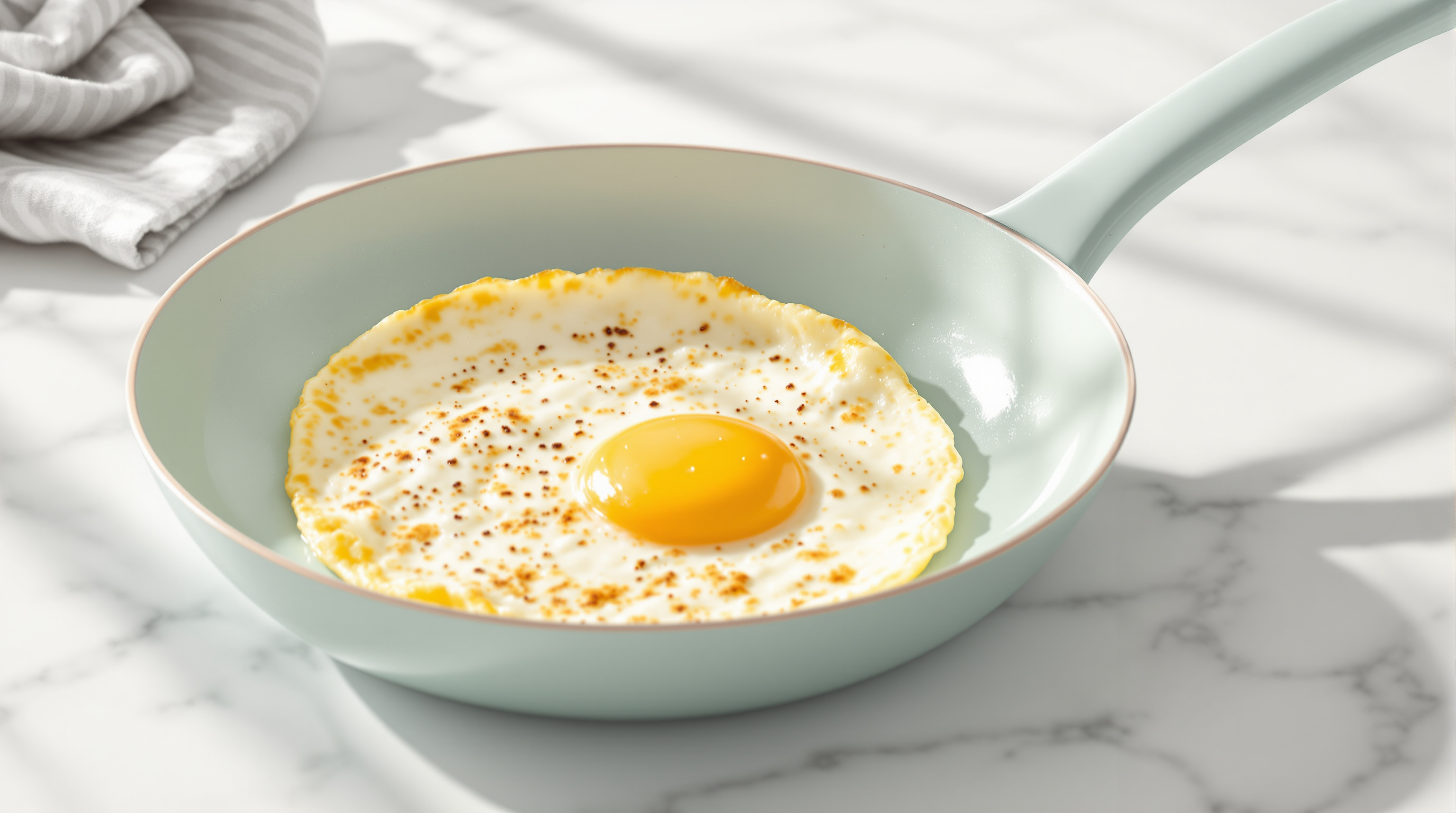
“Eco” or “green” non-stick pans — the ones with a smooth ceramic coating — have become hugely popular with cooks who want easy release without PTFE. They are a genuinely good option, provided you understand how they behave and how to care for them. This is a category guide, not a pitch for any single brand.
How Ceramic Non-Stick Works
These pans use a sol-gel ceramic coating — a mineral-based, silica-derived layer sprayed and cured onto a metal (usually aluminium) body. It contains no PTFE and no PFOA, which is the main reason people choose it. Straight out of the box, a good ceramic pan releases eggs and pancakes beautifully and wipes clean with almost no effort.
Strengths and Limits
- Great when new — excellent, slick release and easy cleanup.
- PTFE- and PFOA-free — the headline appeal for health-conscious cooks.
- Handles moderate heat — but like all non-stick, it dislikes high, dry heat.
- Shorter lifespan — the honest trade-off: ceramic coatings usually lose their non-stick quality faster than PTFE, often within a year or two of regular use.
How to Make a Ceramic Pan Last
Careful use dramatically extends the life of the coating:
- Cook on low to medium heat and add a little oil or butter.
- Use only wood or silicone tools — never metal.
- Let the pan cool, then hand-wash gently; skip the dishwasher and abrasive pads.
- Avoid cooking sprays, which can leave a residue that degrades the surface.
First Use and Getting Started
Ceramic pans do not need seasoning like cast iron, but a little care from day one pays off. Before the first cook, wash and dry the pan, then wipe the surface with a thin film of cooking oil. Always add a little oil or butter when you cook — running a ceramic pan bone-dry at high heat is the quickest way to shorten its life. Preheat gently over low to medium heat rather than blasting it; ceramic conducts heat well and rarely needs a high setting.
Ceramic vs PTFE at a Glance
If you are weighing ceramic against a conventional coating, the honest summary is this: ceramic wins on being PTFE- and PFOA-free and on out-of-the-box release, while PTFE tends to keep its non-stick quality for longer. Neither is a lifetime pan. Choosing between them comes down to what you value most — a PTFE-free kitchen and a fresh, slick surface, or the longest possible working life from a single pan. Mineral-reinforced granite-look stone-coat pans tend to resist scratches better than plain ceramic, though their release fades with use too.
Who They Suit
Ceramic non-stick is ideal if you cook a lot of eggs, pancakes and delicate foods, want to avoid PTFE, and do not mind replacing a pan every couple of years. If you want the longest-lasting non-stick or you sear at high heat, weigh the other PTFE-free options — cast iron and carbon steel last indefinitely. For durability-focused coatings, see our diamond-reinforced non-stick guide.